木の家の豆知識を紹介!
このサイトでは、木の家を建てることを希望する方に向けて役に立つ情報を紹介します。
温度管理を行えるように設計する方法はエコ生活を送ることに向いており、重要な部分に太い木材を利用することで耐震強化を行ったり自由に設計できるメリットがあります。
住みやすい快適な住宅とエコを推進するメリットと、耐震性を高めるメリットには十分に対応する工務店は実在しているので、建築の依頼をする前には確認しておくべき項目がいくつもあるので理解は必須です。
温度をコントロールして快適な暮らしを提供!木の家の豆知識を紹介!
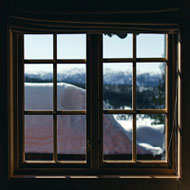 注文住宅で木の家を建てることを希望する方は、まずは間取りを決めることだけではなく窓の位置関係も十分に配慮することが必須です。
真夏の暑さと冬の寒さは多くの地域で共通していることです。
温度管理を行える木の家であれば光熱費の削減をすることができ、夏の季節に入ると窓ガラスを開けて風通しの良い間取りにすることは良い結果を生み出せます。
例えばリビングの窓を開けた際に、後ろ側にキッチンがあればキッチンの背面の窓を開けると風通しが良くなります。
風の通り道を敢えて計算することにより、エコな住宅を完成させることができます。
構造はツーバイフォーなどは非常に有名ですが、在来工法でも重要な場所には太い木材を活用したり、住宅全体の耐震性を高めるには一般的なツーバイフォーよりも強化する金具を用いる方法で安心できる住環境を作り出せるのではないでしょうか。
本格的無垢材を使用した木の家の香りで健康生活を
 日本は高温多湿であるため、昔から最も適しているのが木造建築と言われています。
昨今では建築資材等の高騰による影響のため、住宅には集成材がふんだんに使用されているのが現実です。
しかし、この集成材にはアレルギー物質などの健康面や耐久性などの問題もあり、様々なデメリットがあることがわかっています。
純粋の木の家として造る無垢材とは、山や森などで生育した原木、丸太から使用する大きさに挽き切った材料で、古来より日本の建築文化に深く関わりをもっています。
歴史上で現存する神社や仏閣はすべて天然無垢材による木造建築物で、法隆寺五重塔などは約1400年もの年月を耐え抜き今なお健在です。
この耐久性抜群の無垢材は、木の香りがとても強く、木そのものが呼吸をしていることから湿気の調節など自然環境にとても適しており、人間の体にとてもやさしいことが科学的に立証されています。
特にストレス効果があり、森林浴をするとリラックスして気持ちよくなるフィトンチッドの働きが人間の自律神経を安定させるとのことです。
しかし無垢材は価格の面で集成材などと比較すると、とても高価な材料なので予算に余裕のある方は是非検討してください。
木の家というのは何故ぬくもりを感じやすいのか
木材をふんだんに使って建てた家は、温かみやぬくもりを感じやすいと言われています。
実際に木に触れてみると、なんとなく温かい感じがするという人は少なくありません。
では、どうして木の家は人にそのような感覚を生じさせるのでしょうか。
それは、まず木特有の性質がその理由に挙げられます。
例えば、金属やコンクリートと比べて木は熱が伝わりにくく、手で触れても冷たいという感じがしません。
熱が伝わりにくい理由は、細胞内に空気が含まれることで、いわば断熱材と同じ役割をしてくれるためです。
さらに木の家には人をほっとさせるような、天然素材ならでは魅力があるという点もあります。
実際に、木には手でさわった時の温度だけでなく、木目の美しさを感じたり香りをかぐことで、心理的にやすらげる効果もあるとされています。
それがぬくもりという言葉で表現されることが多いのです。
また、使用する木材の種類によっては弾力性があるものも多く、触れた際の感覚が優しい感じがするという点もあるでしょう。
木の家を建築するにはハウスダスト対策も万全にする方法があります
温もりを感じられる木の家は人気の高い住宅になりますが、建築をする際には予めハウスダスト対策を行えるように設計をすることはアレルギーの問題からも解放されます。
アイデアによっていくつかの手段がありますが、まずは外出先から帰宅をした際に、そのままリビングや居室に入る間取りではなく、洗面所や着替えができるスペースに入れるようにする方法は効果的です。
次に各室内は畳の部屋を作らずにフローリングの床とクッションフロアの床に限定する方法で、ハウスダストの問題を軽減することができます。
壁面には普通のビニールクロスを使うのではなく、埃が付着しないパネル式の壁に仕上げる方法も使えます。
木の家の場合は湿気対策も十分に行う方法でハウスダスト対策も同時に行うことができ、例えば水回りの設備のスペースにはカビが発生しない構造にすることと、空間にゆとりを設ける方法であれば掃除も簡単に行えるようになるので、結果的にハウスダストの問題から解放されます。
木の家における経年劣化とそれを防ぐためのポイント
日本では古くから、木材を活用した木の家が多い傾向です。
和風建築と言われるものは、スギ・ヒノキを用いて建設をされており、高温多湿となりがちな国内の風土にマッチをしているといえるでしょう。
昨今では色んな工法が確立をされており、地震にも強い建造物となりました。
しかし、木の家で避けられないことがあるのをご存じでしょうか。
これは経年劣化であり、避けるには正しい保存方法と管理をおこなわないといけません。
簡単にコツをご紹介すると、定期的なリノベーションと湿度をためないようにするということです。
まずリノベーションは住居全体に実施をするのではなく、屋根・外壁の2か所で構いません。これらの箇所は常に雨風にさらされているため、劣化がしやすいともいえます。
8年に1度の修繕をすればいいので、その際は部分的な処置をするのも良いものです。
湿度をしっかりと外に出すことも大切です。通気口をふさがないようにして換気をよくしないといけません。
木の家づくりのこだわりと不動産会社の取り組みに注目
木の家も家づくりの技術が高まっている中で、耐震面でも安心でき、木のぬくもりを感じる過ごしやすい空間づくりを行っていけます。
不動産会社のこだわりに注目しながら、どんな住宅づくりを行うことができるのかを知っていくことも大切です。
風通しがよく、エアコンに頼りすぎない生活ができるようになるなど、夏や冬を快適に過ごすことができる空間づくりをしっかりと考えていくことも重要になります。
木の家の魅力は見た目も落ち着いた雰囲気で癒されたり、こだわりの空間を作っていくことができます。
木材の仕入れ方にも工夫をすることによって、品質が良く健康面でも安心して使うことができる空間となるなど、木材選びのこだわりにも注目です。
品質の高いものを安く仕入れていくことができるなど、専門業者の実績に注目することによってノウハウを生かした住宅づくりを行っていけます。
木の家の魅力を知ることができるように、住宅展示場など、見学ができる機会を作ることも大切です。
木の家で採用されている在来工法の特徴とメリット
スギやヒノキといった材木を使用した木の家は、古くから日本に伝わる和風建築です。
高温多湿となる日本の風土にマッチをしており、100年以上も良好状態で保ち続けることもできます。
今でも新築戸建てで木の家を採用なさる方が多いですが、それは在来工法の耐久度に魅力があるからと言えます。
国内では毎年大きな地震に見舞われていますが、木の家は独特の工法を採用しているため、倒壊しにくいというメリットがあるわけです。
簡単にその在来工法を見ていくと、枠組み建築という技を駆使しているのがポイントです。
梁と大黒柱を中心にして、そこから放射線状に木を組み立てていきます。
上下左右を固定するため、激しい横揺れに対応することができるので倒壊しないというわけです。
この技を駆使するには、熟練技術を有した大工しかおこなえないので、木の家を建設するときは工務店を活用するのが望ましいものとなります。
建売よりも注文住宅施工で活用されるのもポイントです。
木の家のアレルギーに関してしっておきたいこと
木の家は自然素材であるため、通気性に優れています。湿度が高いとカビやダニが発生しやすくなるため、通気性の確保が重要です。定期的に換気をすることで湿気を逃がし、室内の空気を清潔に保ちましょう。また、換気扇や空気清浄機の導入も有効です。定期的な掃除とメンテナンスも大事でしょう。木の家はメンテナンスが必要です。特にカビやダニが発生しやすい箇所には、定期的な掃除が必要です。床や壁天井、窓枠などを掃除しカビを防止するために、乾燥剤を使用するなどの対策を行いましょう。また屋根や外壁のメンテナンスも重要です。
木の家を建てる場合、素材の選択も重要です。例えばカビやダニが発生しにくい素材を使用することでアレルギーを予防することができます。また、塗料や接着剤などの化学物質を極力使用しないことも重要です。
室内の湿度管理も重要ですが、湿度が高いとカビやダニが発生しやすくなります。加湿器を使用する場合は、定期的に掃除を行い、湿度を適切なレベルに保つようにする必要があります。
以上が木の家のアレルギーを防ぐ方法です。適切な通気性の確保や定期的な掃除や素材の選択、室内の湿度管理を行うことで、健康的な生活環境を実現することができます。
小児喘息などのアレルギーには木の家という選択も
小児喘息は気管支が慢性的に炎症を起こして、発作性の呼吸困難や咳や痰を生じさせる病気で家屋の構造や生活様式の変化や大気汚染の影響によって近年増加傾向にあると言われています。
ゼーゼーやヒューヒューといった喘鳴が主な特徴的な症状で、夜中や朝方に強い発作を起こすケースもあり慢性的な病気の為症状が強く出た場合には日常生活に支障をきたす場合も多くあります。少しでも発作の要因を減らそうと今子供のアレルギー対策に、自然素材を使用した木の家を選択する人達が増えています。木の家と一括にしても様々なタイプがあり、家づくりで使用する資材もそれぞれですが無垢材を使用した家はシックハウスの心配も少なくなりアレルギー対策に効果的です。小児喘息に限らずアトピーや蕁麻疹や花粉症など、大人でもアレルギーを持つ人は多くいます。アレルギー対策に効果のある家づくりを行うことで子供だけではなく、家族全員がアレルギーの辛い症状から開放されて健康的な毎日を送ることが出来る為アレルギーに悩む人は家づくりにこだわってみてはいかがですか。
飴色になるまで楽しめる木の家の経年変化とは
木の家に住む楽しみ方の一つとして、経年変化によって木の色が変わって飴色のようになるということが挙げられます。
木の家によく使われる無垢材は、経年変化が綺麗なのが特徴です。何年も長く使用していることで、色が飴色などの濃く変わるものや逆に明るく変化するものなどがあります。木の種類によって色の変わり方は違いますが、どの種類も風合いが増すのを楽しめます。
削りたての建材は淡い色だったり、むらがあったりしますが、使い続けることで表面が摩耗していき、自然に艶が出てくるというのも木を使った家だからこそ楽しめる魅力です。
このよう経年変化を楽しみたいなら、内装にふんだんに木を使うことが良いとされています。天井・床・壁を無垢材にすることが良いとされていて、調湿機能もあることから居心地の良い空間を作れるというメリットも得られます。
全て木材にするのは抵抗があるという場合には、クロスを組み合わせることで自分好みのテイストにできます。
木の家で倒壊をしないために必要なことは何は
木の家では壊れたないために以下のことが必要になります。まず地震による倒壊を防ぐためには、耐震補強が必要です。耐震補強には柱や梁の補強、壁の強化や基礎の補強などがあります。建物の形状や配置も耐震性に影響を与えます。専門家のアドバイスを仰いで地震に強い建物へと改修することが望ましいでしょう。
木の家は風に弱いため、風の影響を受けないようにする対策が必要です。風通しをよくすることで、建物内部の風圧を抑えることができます。強風に備えて窓を閉める、風下側の窓を開けるなどの対策も有効です。
定期的なメンテナンスは大事になります。木の家は建物自体が古くなると、耐久性が低下し、老朽化によって倒壊する恐れがあります。そのため定期的なメンテナンスが必要です。柱や梁や壁、屋根などの構造部分の点検や補修や塗装などを定期的に行い、耐久性を維持することが大切です。
建築基準に準拠した施工も大事な要素になります。木の家を建てる場合、建築基準に準拠した施工が必要です。建築基準には、耐震性や耐風性などの要件が規定されています。建築基準に準拠して施工を行うことで、耐久性が高く、壊れるリスクを低減することができます。
木の家での害虫の種類と防虫対策を御紹介します
木の家は自然な風合いとぬくもりのある雰囲気が素敵でも、害虫が湧いてくるのではないかと不安を持っている方は少なくありません。確かに木の家は木材を食料にする害虫にとって格好の標的になります。今回は代表的な種類を把握し、防虫対策を検討してまいりましょう。
木の家に発生しやすいのは、シロアリとキクイムシが代表的です。シロアリは木材を主食しているものの、羽アリなどが観察されない限りひそかに繁殖していきます。庭などに営巣していることがあり、知らぬ間に本体でコロニーを形成していることも。キクイムシは小さいものの、繁殖力が旺盛で木の内部に潜んでしまうので厄介です。
防虫対策では、まず第一選択になるのは殺虫剤の散布です。小さな穴を木材に見かけたら殺虫剤を噴霧してください。噴霧さきがノズルになっているのが使い安いといえます。家の周辺につかわなくなった簾などの放置も要注意です。簾をえさにして営巣し家本体に移行することがあるからです。
持続可能な暮らしを支える木の家と国産材の価値
持続可能な暮らしを支えるのは環境に優しい住宅の選択です。
木の家はその代表例であり国産材を使うことで地域経済にも貢献できます。
木の温もりが伝わる空間は心身の安らぎにつながり、住む人の幸福感を高める効果があります。
木の家の構造は地震などの災害に強く、耐久性にも優れています。
加えて国産材を用いることで輸送コストが抑えられCO2排出量の削減にも寄与します。
国産材は品質が高く、長期間にわたってその価値を維持しやすいという特徴があります。
木の家はメンテナンスがしやすく、家族が世代を超えて住み続けることができるため、次世代への資産としても価値を見いだせます。
さらに国産の木材を使った家づくりは森林資源の適切な管理と利用を促進し、森林の健全な循環を助ける役割を果たします。
地球温暖化の影響が懸念される中、木の家は省エネや自然エネルギーを取り入れやすいという利点も持っています。
木質の壁は天然の断熱材として機能し、冷暖房の効率を上げることでエネルギー消費の削減に役立ちます。
これにより家計の節約にも貢献し、経済的な持続可能性にも繋がるのです。
これからの家づくりにおいて木の家は、暮らしの質を高めるとともに地球環境に配慮した選択肢として重要な位置を占めています。
国産材を使った家づくりは地域社会を支え、未来に渡って継承される価値ある文化となるでしょう。
木とともに生活することで得られる豊かさは計り知れず、人々と自然との調和の中で新たな暮らしを築くことができます。
木の家の良さを伝えることは、より良い将来に投資することなのです。
木の家とアスレチックで遊ぼう!キッズ向け情報局
"親子で楽しめるスポットをお探しですか。
木の家がテーマのアスレチック施設はいかがでしょうか。
自然あふれる中で体を動かすことは、子どもたちの成長にとっても非常に重要です。
木の家は温もりがあり、子どもたちにも安心感を与えます。
また、アスレチック要素が加わることで、冒険心をくすぐり、運動能力の向上にもつながります。
木製のアスレチック施設は安全面にも配慮されており、小さなお子さんでも安心して遊べる工夫がなされています。
すべり台やブランコ、ロープでできた橋など、さまざまな遊具が子どもたちの五感を刺激し、創造力や社会性を育てることでしょう。
木の家で遊ぶことは、ただ楽しむだけではなく、学びも多いのです。
自然と触れ合いながら遊び、学び、成長する子どもたちの姿は、保護者にとっても喜びでいっぱい。
木の家やアスレチックを利用した遊びは、健全な心身の発達を促し、家族の絆を深めます。
そんな木の家テーマのアスレチック施設には、季節を感じられるイベントも多く、一年を通じて親子で満喫することができるでしょう。
ぜひ一度、木の家とアスレチックの魅力を体験してみてください。
"
冬におすすめ木の家で過ごす暖炉のある生活
冬の寒さを和らげるには、木の家での暮らしと暖炉の存在が欠かせません。
木の家では、木材そのものが持つ断熱性が室内の温度を一定に保ちます。
また、暖炉は部屋に暖かさをもたらすだけでなく、その炎が作り出す幻想的な雰囲気は家族や友人との団らんの場をより特別なものに変えてくれます。
寒い冬の日には、暖炉のそばでホットドリンクを手に、ゆったりとした時間を過ごすことができます。
木の家建築は耐久性も高く、天然素材に囲まれた暮らしは心地よいです。
暖炉がある生活空間は、見た目にも暖かく、木の優しい香りと相まって冬の厳しい気候も快適に過ごせます。
それに、木の家は自然と調和するため、環境に優しい選択と言えるでしょう。
さて、暖炉を設置する際は、安全面にも配慮する必要があります。
火災予防のために、定期的な煙突の清掃やメンテナンスは必須です。
また、暖炉を使用しないシーズンは、火のもとを絶対に近づけないようにしましょう。
冬の季節に木の家での暮らしを楽しむためには、暖炉の適切な管理が大切です。
冬の木の家で過ごすというのは、ただ単に寒さから身を守るということ以上の意味を持ちます。
家族が集まり、温かな空気に包まれることで、暖かさが心まで伝わるのです。
暖炉のある家は、寒い冬でも温かい記憶とともに年月を刻むことでしょう。
快適な室内環境を生む木の家の断熱性とその重要性
現代の住宅設計では、いかにして居住空間を快適で健康的な状態に保つかが重要視されています。
特に木の家の設計においては、断熱性が大きな鍵を握ります。
木の家に住んでいる人々は、木材が持つ自然な温もりと調湿機能によって、一年を通して快適な室温を実感しています。
木材は、その多孔質な構造により優れた断熱材となり、夏の暑さや冬の寒さを自然に緩和します。
さらに木の家は、湿度に応じて水蒸気を吸放出する能力があり、室内の湿度も適度に保つことができます。
このため、湿気が多すぎず乾燥しすぎず、年間を通して快適な環境を保つことが可能です。
また木の家の断熱性は、エネルギーの節約にも寄与します。
断熱性が高いと、冷暖房の効率が良くなるためエネルギー消費を抑えることができ、結果的に電気代やガス代の削減に繋がります。
そのため経済的なメリットも大きく、家計に優しいという側面も森の住宅の重要な魅力の一つです。
このように、木の家の魅力はその美しい外観だけでなく、断熱性による居住性の高さにもあります。
これから家を建てるという方や、リフォームを考えている方は、木材の利用を積極的に検討して、健康で快適な暮らしを実現することをお勧めします。
木の温もりと断熱性を生かした空間で、四季を通じて豊かな暮らしをお楽しみください。
木の家のリフォームに関する貴重なポイントを紹介
木造住宅はその素材感により温かみを感じさせ、居心地の良い空間を作り出します。
しかし時間が経過するにつれて、木材の劣化や損傷が避けられなくなります。
そのため木の家の持つ魅力を長く保持するためには、適時に修繕や更新を行う改修が必要です。
修理をする際には、木の種類やそれぞれの特性を理解し、材料の耐久性を損なわず美観を保ちながら作業を進める専門知識が要求されます。
構造的な強化、断熱効果の向上、窓の交換など、さまざまな改善が改修で実現されます。
適切な業者を選定することも、良質な改修を実現するためには欠かせません。
経験豊富なプロの手によって、家全体の状態を鑑みながら計画を進め、コストパフォーマンスに優れたリフォームを実行します。
計画時には、前もって予算を決め、十分な余裕を見ておくことで、思いがけない必要経費にも対応できるようにします。
密なコミュニケーションと適応性のある計画により、木の家の快適性と機能性を長期にわたって維持します。